
A good lesson plan template can turn a busy Sunday evening into a calm start to the school week. Instead of searching for notes in several places, you open one page and see the week ahead: what you will teach, what materials you need, and what you want students to learn by Friday. This guide explains what a strong template includes, how to fill it in on Sunday, and how to adjust it during the week without starting over.
What a good lesson plan template includes
A useful template is simple and clear. It should leave room for the facts you need, but it should not ask you to write the same details many times. Look for space for the date, the class or group, and the subject. Add a short learning goal for each lesson, written in plain words. For example, instead of a long list of standards, write what students will be able to do at the end of the lesson. That one sentence helps you choose the right activity and check progress later.
Your template should also include the main steps of the lesson. A short opening, the main teaching time, time for students to practise, and a short closing check are enough for most lessons. Add a small box for materials, so you can list books, handouts, links, and supplies before the lesson starts. A notes box is also helpful. Use it for names of students who need extra support, questions that came up, and ideas for next time. When these boxes are in the same place each week, you spend less time searching and more time teaching.
Finally, keep the week on one view when you can. A weekly view shows how lessons connect. You can see if one day is too full, if a test needs more review time, or if a group activity needs to move to another day. A template that shows the whole week helps you plan with balance, not just one lesson at a time.
How to fill it in on Sunday
Set aside about thirty minutes on Sunday. Start by looking at the week ahead, not by writing every detail at once. Check the school calendar for assemblies, meetings, early dismissal days, and deadlines. Mark those days first, so you do not plan a long activity on a short day. Then write the learning goal for each lesson. Keep each goal short and clear.
Next, add the main activity for each day. You do not need a full script. Write the steps in short notes: introduce the topic, show one example, let students work in pairs, and finish with a quick check. Then list the materials for each lesson. If you need to print or prepare anything, write it on a short to-do list at the top or side of the page. This step saves time during the week, because you can prepare materials in one batch instead of rushing each morning.
After the lessons are set, look at the week as a whole. Check that the work is spread out in a fair way. If Monday is heavy, move one small task to Wednesday. If Friday includes a review, make sure students have time to practise during the week. Finish by choosing one priority for each day. A priority is the one thing that must happen, even if the day changes. When you know your priority, it is easier to let go of extra work without worry.
How to adjust it during the week
Even a good plan changes. A lesson may take longer than expected, a student may need more help, or a school event may change the schedule. A template should make changes easy, not stressful. Use a pencil, a different color, or a short note to mark a change. Move the unfinished work to the next open day, and write one short note about why you moved it. That note helps you remember the reason later, and it keeps your plan honest and useful.
At the end of each school day, take five minutes to review the plan. Cross out what is done, move what is not done, and add any new notes. This short review stops small tasks from building up. It also helps you see patterns. If students often need more time for writing, you can plan more writing time next week. If a certain activity works well, you can use it again with a small change.
Do not try to rewrite the whole week when one day changes. Change only the part that needs to change. Keep the learning goal in view, and adjust the activity or the timing. A calm plan is a flexible plan. It gives you structure, but it also gives you room to respond to your students.
A simple weekly routine
A steady routine makes the template work for you. On Sunday, plan the week and prepare materials. Each morning, read the plan for that day and check your materials. During the day, keep short notes on what worked and what needs more time. Each evening, spend five minutes updating the next day. On Friday, take ten minutes to review the week. Note what to repeat, what to change, and what to carry into next week.
This routine does not need to take a long time. In fact, it should save time. When planning has a set time and a set place, you stop thinking about lessons all evening. You can leave school work at school, or close the planner at home, knowing the next day is ready. Over time, this habit builds confidence. You start the week with a clear plan, and you end the week with useful notes for the next one.
A lesson plan template is not about perfect pages. It is about clear goals, simple steps, and a plan you can adjust. Start with one week, keep the layout the same, and change only what helps you. Soon, planning will feel less rushed, and your teaching week will feel calmer and more focused.
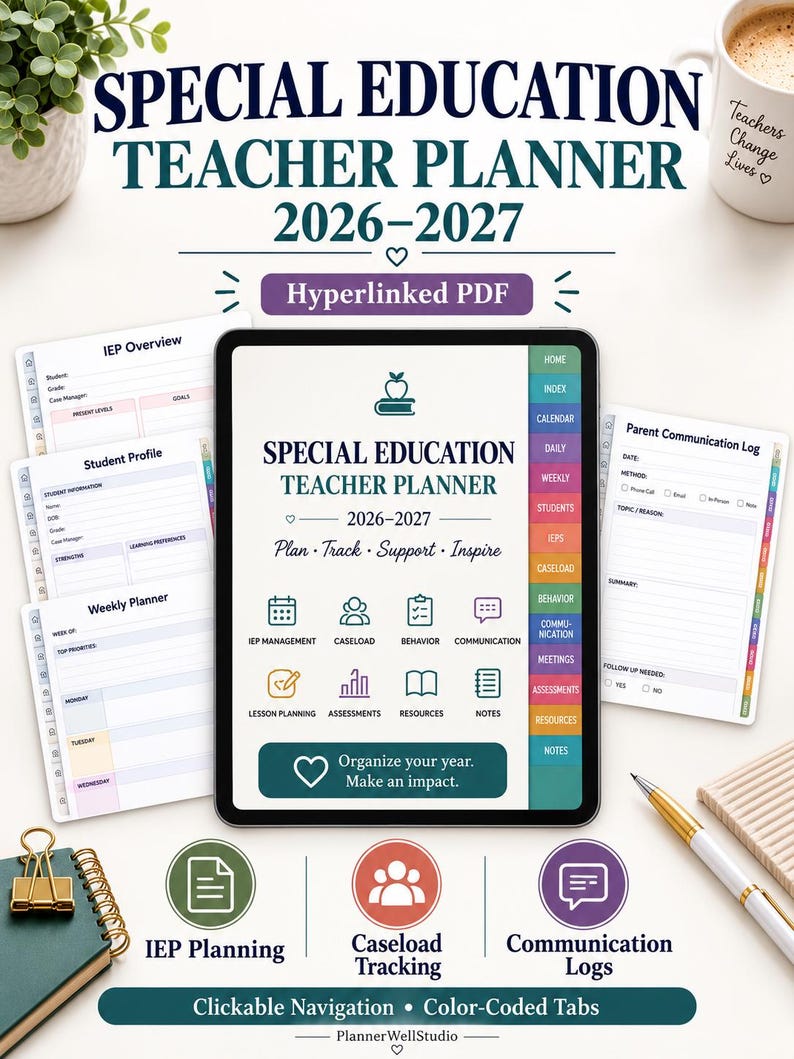
If you would like a planner that keeps your weekly plans, notes, and trackers in one place, visit PlannerWellStudio on Etsy to browse teacher planners and planning tools for your school year.
Read next:



0 Comments